Physical Address
304 North Cardinal St.
Dorchester Center, MA 02124
Physical Address
304 North Cardinal St.
Dorchester Center, MA 02124

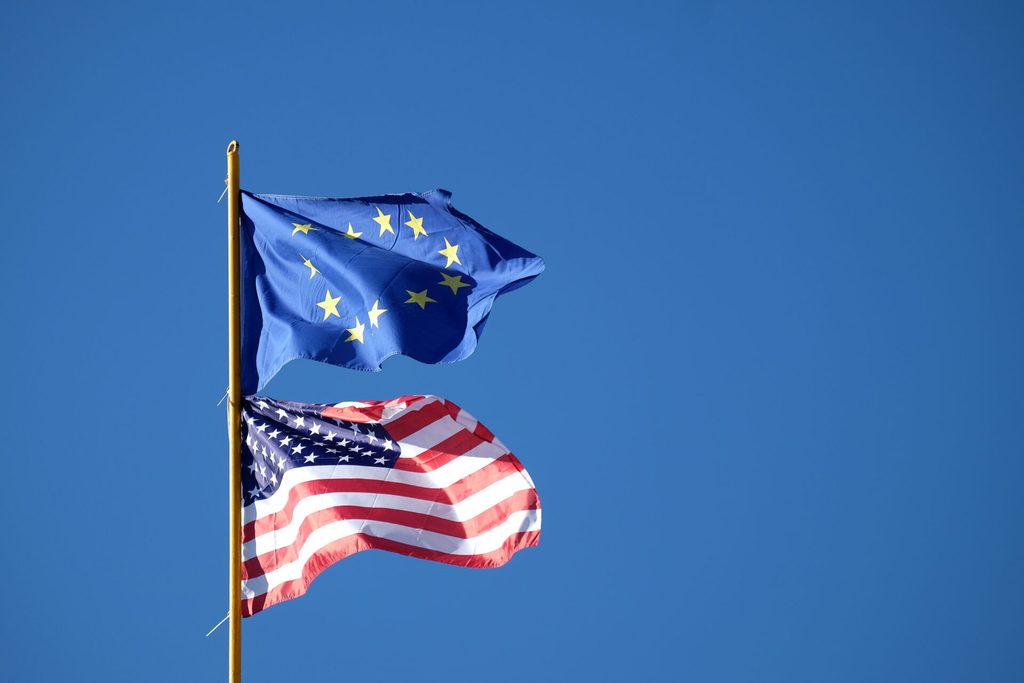
Trade relations between the United States and the European Union have faced significant tensions in recent years. Tariffs have become one of the main instruments used by Washington to protect domestic industries, address trade imbalances, and encourage companies to invest and manufacture more products in the United States.
The dispute intensified in 2025 as the administration of President Donald Trump increased tariff pressure on major trading partners, including the European Union. The possibility of a broader trade conflict pushed Washington and Brussels toward negotiations aimed at limiting economic disruption on both sides of the Atlantic.
Tariffs can have significant consequences for businesses and consumers. European exporters may face higher costs when selling products in the United States, while American companies that depend on European components and materials can also experience increased expenses. Industries such as automobiles, steel, aluminum, pharmaceuticals, machinery, and agriculture are particularly sensitive to changes in trade policy.
The European Union has responded by combining negotiations with preparations for possible countermeasures against American products. At the same time, both sides have sought compromises designed to prevent a full-scale tariff war, recognizing the enormous importance of transatlantic trade to their economies.
The US–EU tariff dispute also reflects a broader transformation of global trade. Economic security, domestic manufacturing, strategic industries, and geopolitical competition increasingly influence decisions that were once primarily based on free-trade principles.
Although negotiations have reduced the immediate risk of uncontrolled escalation, trade tensions between the United States and European Union remain an important source of economic uncertainty. Future developments will depend on whether Washington and Brussels can balance the protection of their domestic industries with the benefits of maintaining a stable and open transatlantic trading relationship.