Physical Address
304 North Cardinal St.
Dorchester Center, MA 02124
Physical Address
304 North Cardinal St.
Dorchester Center, MA 02124

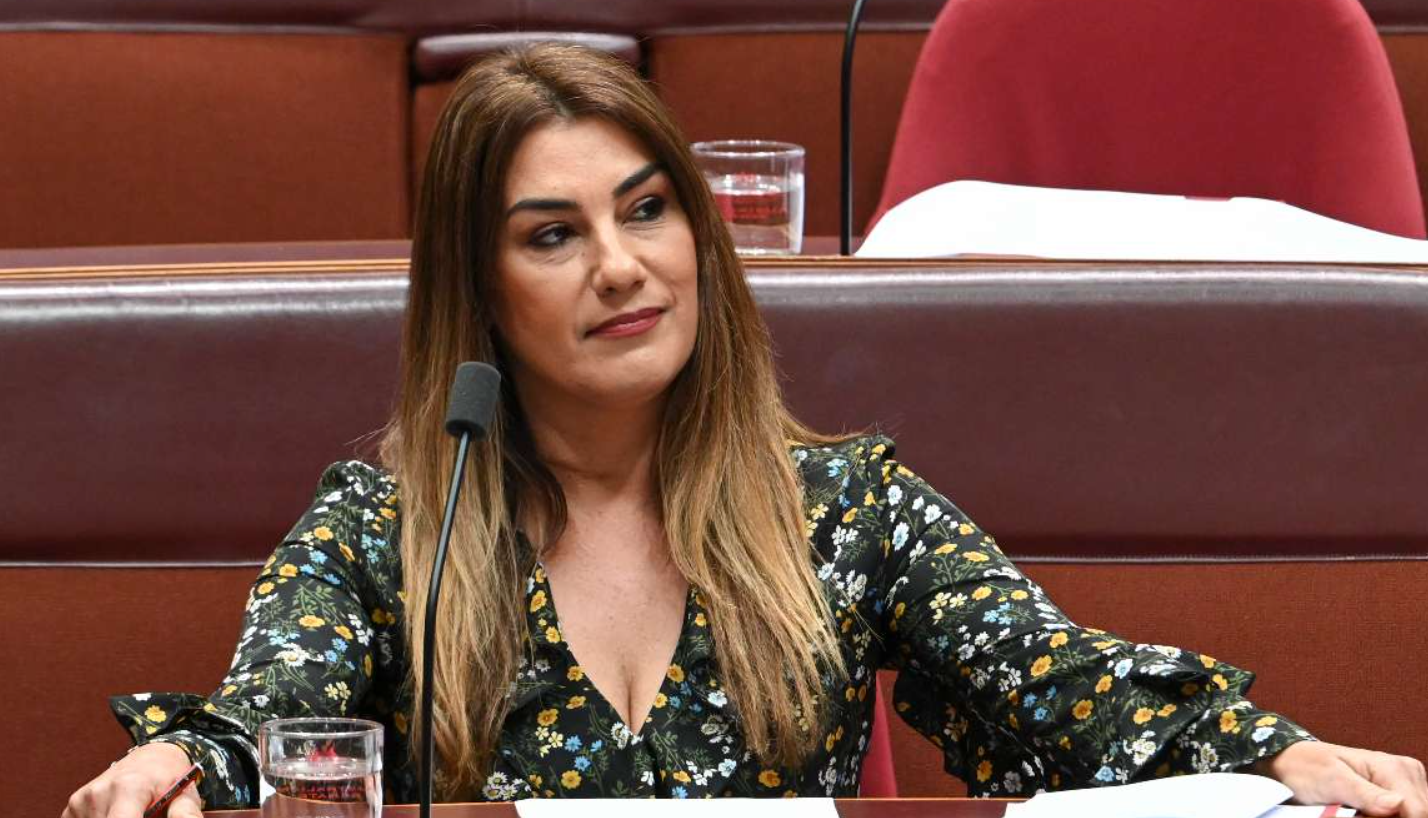
Lidia Thorpe is a prominent Australian politician known for her strong advocacy on Indigenous rights, environmental protection, and social justice. As a Gunnai, Gunditjmara, and Djab Wurrung woman, Thorpe’s political career is deeply rooted in her cultural identity and longstanding involvement in activism.
Thorpe first entered federal politics as a Senator representing Victoria, bringing with her a history of grassroots organizing and community leadership. Prior to her time in federal parliament, she served in the Victorian Parliament, where she became the first Aboriginal woman elected to that body. Her political journey reflects a broader movement toward increased Indigenous representation in Australian governance.
Throughout her career, Thorpe has been a vocal advocate for First Nations sovereignty and self-determination. She has consistently raised issues related to land rights, treaty processes, and the recognition of Indigenous peoples within Australia’s constitutional framework. Her positions often challenge established political norms, emphasizing the need for structural change rather than incremental reform.
Thorpe is also known for her direct and uncompromising communication style. In parliamentary settings and public discourse, she frequently addresses systemic inequalities and historical injustices. While this approach has garnered both support and criticism, it underscores her commitment to raising awareness and prompting national conversations on sensitive and complex issues.
Environmental advocacy forms another central pillar of Thorpe’s work. She has actively opposed projects that she believes threaten Indigenous lands and ecosystems, arguing that environmental protection and Indigenous rights are inherently interconnected. This perspective aligns with a growing global emphasis on sustainable development and Indigenous stewardship.
In addition to her policy positions, Thorpe’s career has been marked by moments of controversy and public debate. These instances often reflect broader tensions within Australian society regarding identity, history, and the direction of political reform. Thorpe’s willingness to engage in these debates highlights her role as both a السياسي actor and a public advocate.
Despite differing opinions about her methods, Thorpe’s influence on Australian politics is significant. She has contributed to shifting public discourse, bringing Indigenous perspectives to the forefront of national conversations. Her work continues to shape discussions on reconciliation, representation, and the future of Australia’s political landscape.
As she moves forward in her career, Thorpe’s impact will likely remain closely tied to her ability to balance activism with legislative engagement. Her presence in parliament serves as a reminder of the evolving nature of democratic representation and the ongoing pursuit of social justice.