Physical Address
304 North Cardinal St.
Dorchester Center, MA 02124
Physical Address
304 North Cardinal St.
Dorchester Center, MA 02124

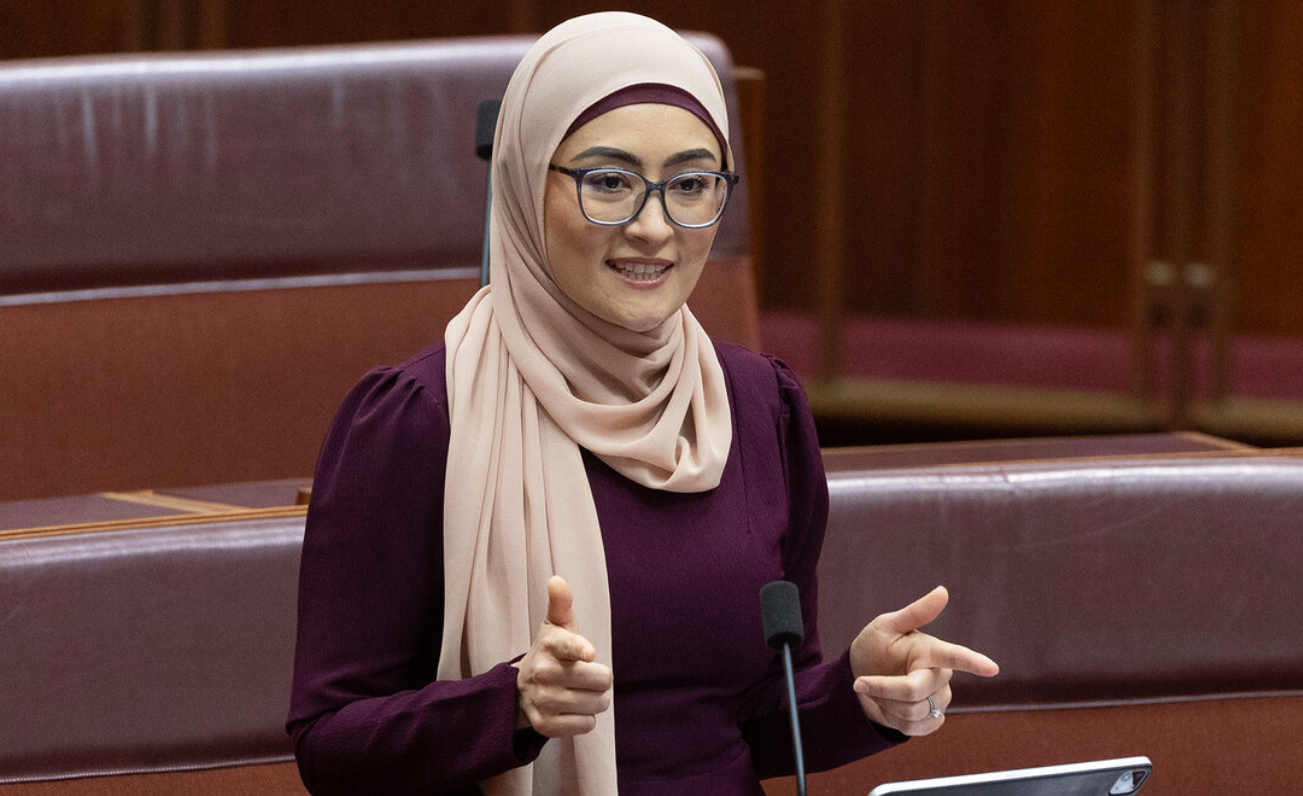
Fatima Payman has emerged as a notable figure in contemporary Australian politics, representing a new generation of leaders shaped by multicultural experiences and evolving social priorities. Born in Afghanistan and raised in Australia, Payman’s personal journey reflects broader narratives of migration, integration, and civic participation that increasingly define modern democratic societies.
Payman first gained national prominence when she became one of the youngest members of the Australian Senate. Her election marked a significant milestone not only in terms of age but also representation, as she became the first hijab-wearing Muslim woman in the federal parliament. This symbolic achievement resonated widely, highlighting the growing diversity within Australia’s political institutions.
Her political platform has largely focused on social equity, education, and community development. Payman has consistently emphasized the importance of creating opportunities for marginalized groups, particularly migrants and young people. Her advocacy often centers on reducing systemic barriers and improving access to public services, including education and employment pathways.
In parliamentary debates and public appearances, Payman is recognized for her measured communication style and emphasis on inclusivity. She frequently underscores the importance of dialogue and collaboration across political divides, positioning herself as a pragmatic rather than ideological actor. This approach has allowed her to appeal to a broad constituency while maintaining alignment with her party’s broader objectives.
Another key aspect of Payman’s work involves engagement with grassroots communities. She has demonstrated a strong commitment to staying connected with constituents, often highlighting local issues and incorporating community feedback into policy discussions. This bottom-up approach reflects a broader trend in modern politics, where public trust increasingly depends on accessibility and responsiveness.
Despite her relatively short time in office, Payman has already contributed to discussions on national identity, multiculturalism, and the evolving role of women in leadership. Her presence in parliament challenges traditional perceptions and signals a shift toward more inclusive governance structures.
Looking ahead, Fatima Payman’s political trajectory will likely depend on her ability to balance advocacy with legislative effectiveness. As she continues to navigate the complexities of national politics, her role may expand beyond symbolic representation to substantive influence on policy-making. Regardless of future developments, her rise illustrates the dynamic and changing nature of political leadership in Australia.