Physical Address
304 North Cardinal St.
Dorchester Center, MA 02124
Physical Address
304 North Cardinal St.
Dorchester Center, MA 02124

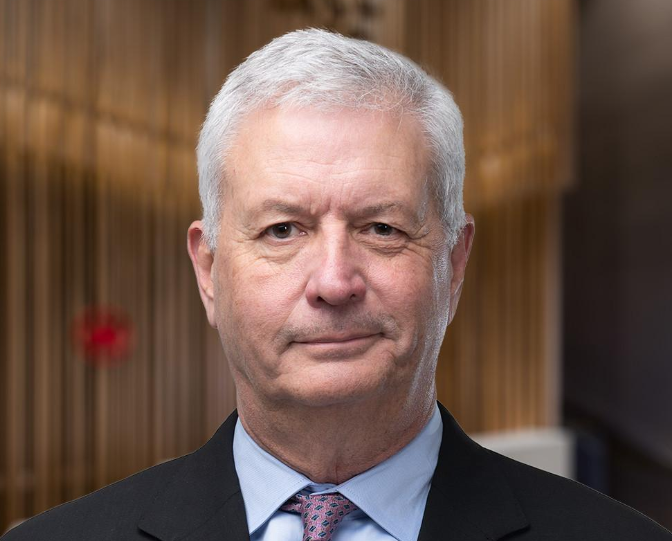
Michael Rousseau is a prominent figure in global aviation leadership, best known for his role as President and Chief Executive Officer of Air Canada. His tenure represents a case study in managing complexity, uncertainty, and large-scale organizational transformation in one of the most volatile industries in the world.
Rousseau’s professional foundation is rooted in finance, a background that has significantly shaped his leadership approach. Before joining Air Canada in 2007, he built a career in investment banking and corporate finance, developing expertise in capital markets, restructuring, and strategic planning. These competencies became particularly valuable as the airline industry entered periods of turbulence driven by economic cycles, fuel price fluctuations, and geopolitical instability.
During his time as Chief Financial Officer, Rousseau played a critical role in stabilizing Air Canada’s financial position. He was instrumental in improving liquidity, managing debt structures, and implementing cost-efficiency measures that strengthened the airline’s resilience. This period laid the groundwork for his eventual transition to CEO, where financial discipline would become a central pillar of his strategy.
His appointment as CEO in 2021 coincided with one of the most disruptive events in aviation history—the COVID-19 pandemic. Global travel demand collapsed, borders closed, and airlines faced unprecedented revenue losses. Rousseau’s leadership during this crisis required rapid decision-making under uncertainty. He oversaw significant operational adjustments, including capacity reductions, workforce restructuring, and renegotiation of supplier agreements.
However, Rousseau’s approach extended beyond short-term crisis management. He emphasized long-term strategic positioning, focusing on fleet modernization, digital transformation, and network optimization. Investments in newer, more fuel-efficient aircraft aligned with both economic and environmental objectives, reflecting the growing importance of sustainability in aviation.
A key aspect of Rousseau’s leadership is his reliance on data-driven decision-making. In an industry where margins are thin and external variables are numerous, the ability to interpret data and forecast trends is essential. Rousseau has prioritized analytics in areas such as route planning, pricing strategies, and customer behavior, enabling more precise and adaptive operations.
Despite these efforts, his tenure has not been without criticism. Public scrutiny regarding executive communication, particularly in a bilingual country like Canada, and operational challenges during the post-pandemic recovery have highlighted the pressures associated with leading a national carrier. These controversies illustrate the broader reality that leadership in high-visibility industries involves navigating both operational and reputational risks.
From a broader perspective, Rousseau’s role reflects the evolving nature of corporate leadership. Modern CEOs are expected not only to deliver financial performance but also to address environmental concerns, technological disruption, and shifting consumer expectations. Rousseau’s strategic priorities indicate an awareness of these dynamics, positioning Air Canada within a rapidly changing global landscape.
Ultimately, his leadership can be understood as a balance between stability and transformation—maintaining operational continuity while preparing the organization for future challenges. In doing so, Rousseau exemplifies the complexities of executive decision-making in a globalized and uncertain economic environment.