Physical Address
304 North Cardinal St.
Dorchester Center, MA 02124
Physical Address
304 North Cardinal St.
Dorchester Center, MA 02124

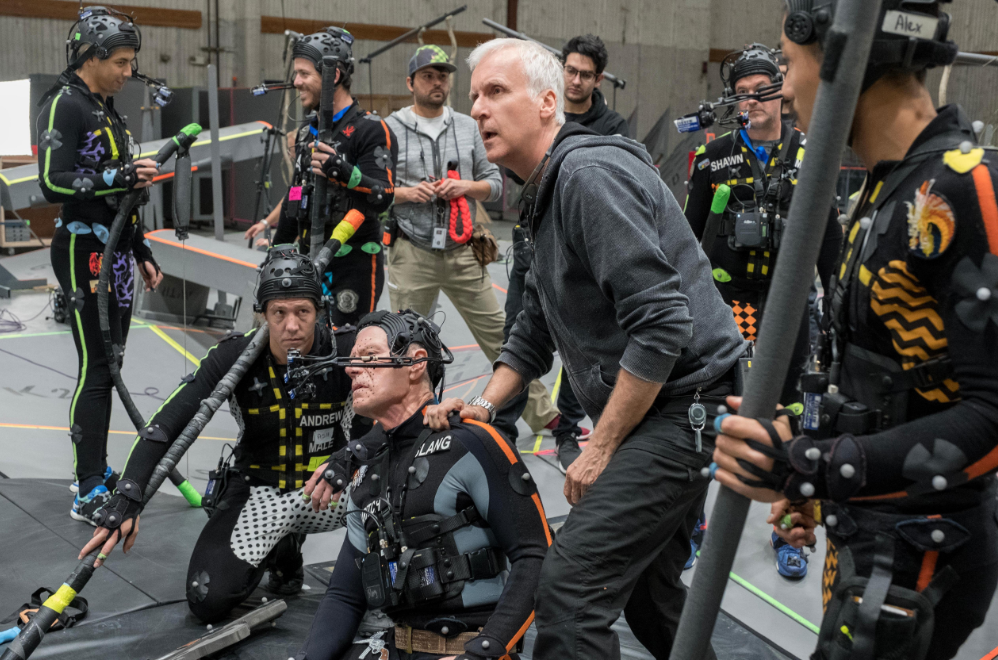
James Cameron stands at the intersection of storytelling and technological innovation, a filmmaker whose career has consistently redefined the boundaries of cinematic possibility. Born in 1954 in Kapuskasing, Ontario, Cameron’s early fascination with science fiction and engineering laid the groundwork for a career that would merge artistic vision with technical mastery.
Cameron first gained recognition with The Terminator (1984), a film that combined high-concept science fiction with tight narrative structure and innovative special effects. This was followed by Aliens (1986), which expanded the scope of its predecessor and demonstrated Cameron’s ability to build tension, develop characters, and orchestrate large-scale action sequences.
However, it was Titanic (1997) that transformed Cameron into a global cinematic force. The film’s unprecedented production scale, combined with its emotional narrative, resulted in massive commercial success and critical acclaim, including multiple Academy Awards. Cameron’s insistence on realism—down to the reconstruction of the ship and deep-sea exploration—illustrated his commitment to authenticity.
Cameron’s next major milestone came with Avatar (2009), a project that required years of technological development. By pioneering advanced motion capture techniques and 3D cinematography, Cameron created an immersive cinematic experience that reshaped industry standards. The film’s success not only demonstrated the commercial viability of new technologies but also influenced the direction of blockbuster filmmaking for the next decade.
What distinguishes Cameron from his contemporaries is his dual identity as both artist and engineer. He does not merely use existing tools; he invents new ones when necessary. This approach is evident in his deep-sea expeditions, including solo dives to the Mariana Trench, where he contributed to scientific exploration while advancing filming technologies.
Thematically, Cameron’s work often explores the relationship between humanity and technology, environmental responsibility, and the consequences of unchecked ambition. These recurring motifs reflect his broader worldview and contribute to the intellectual depth of his films.
Despite his success, Cameron is known for his demanding production style and uncompromising standards. While this has occasionally led to controversy, it has also resulted in some of the most technically accomplished films ever produced. His influence extends beyond his own work, shaping the expectations of audiences and the ambitions of filmmakers worldwide.
In an industry driven by rapid change, Cameron remains a figure of consistency and innovation, continually pushing cinema toward new horizons.